Bodi Empowerment
Back Pain //
Improving Posture: Exercises to Correct Excessive Low Back Curve

Please follow and like us:


Improve Your Posture: How to Correct an Excessive Lower Back Curve
Are you aiming to improve your posture? Correcting an exaggerated curve in your lower back is achievable with targeted exercises.
Experiencing lower back pain? This discomfort often stems from an abnormal arch in your spine, known as a larger-than-normal lordotic curve.
This guide unveils essential exercises designed to rectify an increased curve in your lower back posture. After mastering the foundational routines, you’ll find advanced exercises to further enhance your posture.
See Also: Advanced Posture Exercises For Your Rounde Upper Back
Understanding Posture: Addressing Hyperlordosis
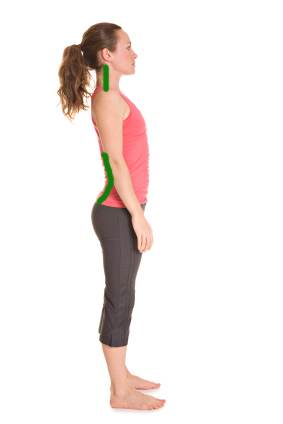
The natural curves in your lower back and neck, known as lordosis, play a crucial role in your overall posture. Normal lordosis is common and healthy.
However, the internet is rife with misinformation regarding posture correction. As a practising chiropractor, my goal is to provide you with accurate and reliable information to navigate posture improvements effectively.
Excessive curvature, or hyperlordosis, refers to an overpronounced curve in the lower back. “Hyper” indicates an excess, much like the term “hyperactive.” Conversely, “hypo” denotes a deficiency, indicating less curvature than normal.
It’s possible to exhibit hyperlordotic posture without experiencing pain. Nevertheless, addressing this condition early is vital to reduce the risk of developing osteoarthritis in the joints and discs of your lower spine.
See Also: 4 Upper Back Exercises To Improve Posture
Correcting Hyperlordosis: Enhancing Appearance and Reducing Risk
Proactively adjusting a hyperlordotic posture not only mitigates health risks but can also refine your silhouette. Through specific exercises, we can realign your pelvis, diminishing the appearance of lordosis without altering your body’s natural shape.
Causes of Hyperlordosis Include:
Tight Muscles:
- Erector spinae muscles along the spine.
- The hip flexor muscle is known as the psoas.
Weak Muscles:
- The gluteus maximus shapes your buttocks.
- Abdominal muscles, particularly the rectus abdominis or “six-pack” muscles, remain concealed for many under a layer of fat.
Hyperlordosis results from an imbalance between overly tight muscles pulling in one direction and weak muscles failing to compensate, exacerbating the spinal curve.
Correcting Your Posture: Balancing Muscle Strength
To amend your posture, begin by stretching the tight muscles before strengthening the weaker ones. This balanced approach is key to correcting an excessive lower back curve and improving your overall posture.
A: Arch Your Lower Back Like The Cat Pose in Yoga – Stretch your low back erector spinae (low back muscles).
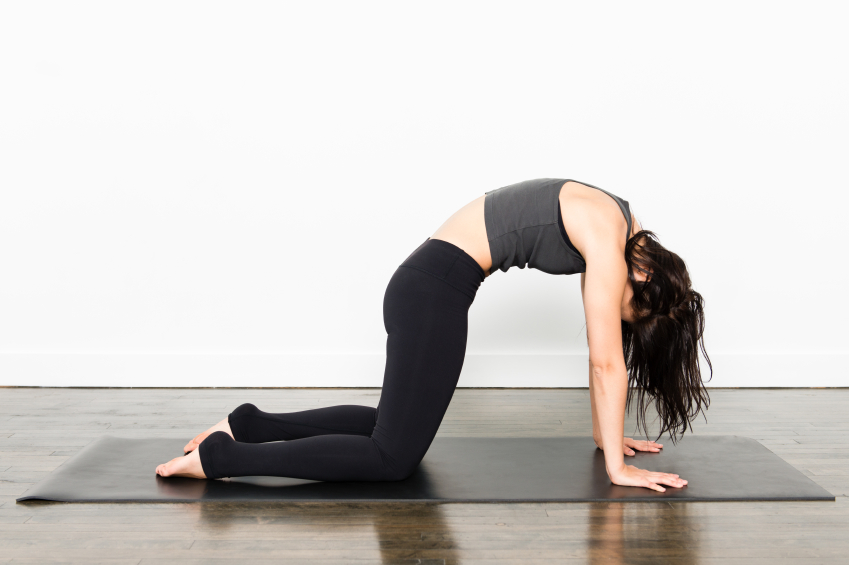
- Get on all fours with your hands under your shoulders, your knees under your hips.
- Arch your upper back and lower back like a cat does when it’s scared.
- Hold for 30 seconds – do 3 sets.
- If you have a disc problem, or it hurts to arch and flex your back, this exercise is not for you.
A: Child Pose: Second stretch for your low back erector spinae (low back muscles).
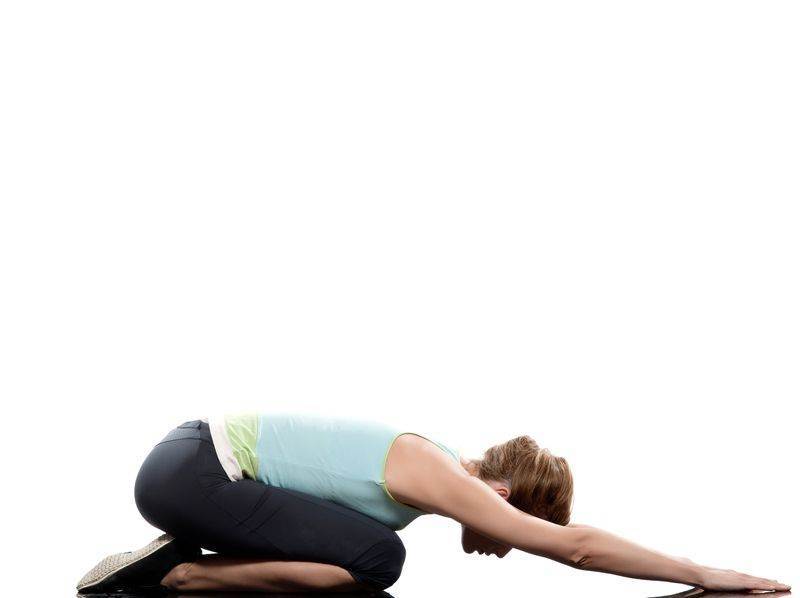
- Get on your hands and knees.
- Sit back onto your heels with your arms reaching out as far as they will go.
- Your head is looking down – neck down.
- Hold for 30 seconds – do 3 sets.
A: Lunge Pose: You need to stretch the hip flexor muscles (psoas muscles)
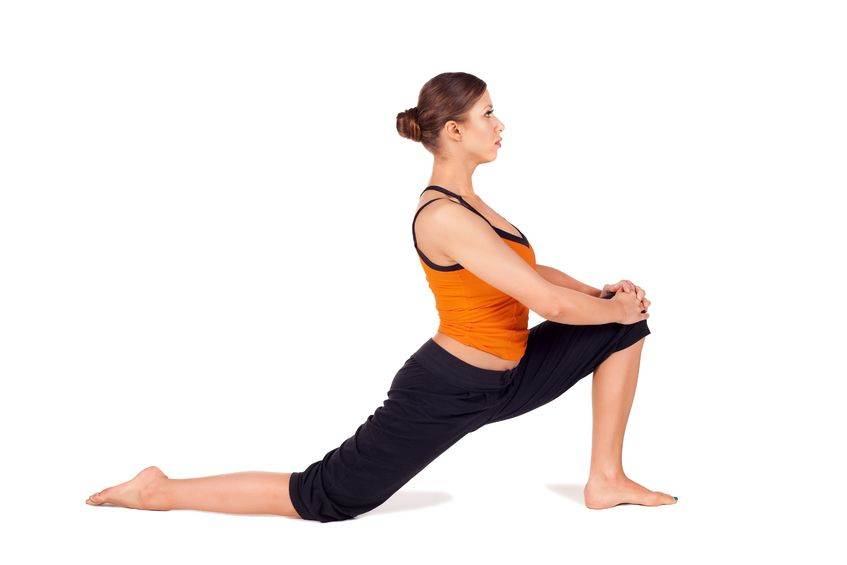
- Get down on your knees.
- Put one leg forward with the knee bent to 90 degrees.
- The other leg is back with the knee very slightly bent resting on the floor.
- You should feel the stretch in the front part of your hip.
- Hold for 30 seconds and do 3 sets.
Second, strengthen your gluteus maximus (your butt-shaping muscle) and abs (your rectus abdominis muscles or six-pack muscles)
I will give you two exercises to strengthen your gluteus maximus. The squat and the single-leg squat.
B: The Chair Squat To Strengthen Your Gluteus Maximus
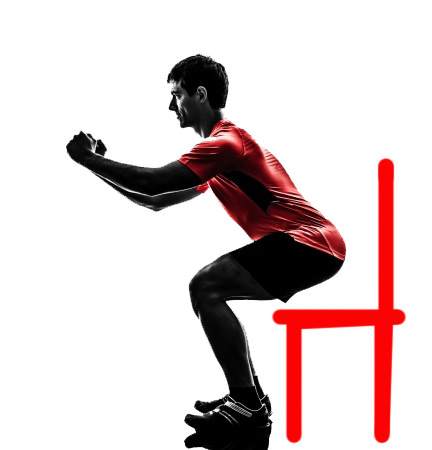
- Stand with your back to the chair.
- Your feet should be shoulder width apart with your feet turned out slightly
- Make sure to not arch your lower back when lowering yourself down to the chair.
- Touch the chair and come right back up 10 – do 3 sets.
B: Single Leg Squat To Improve Your Posture. When you can do three sets of chair squats easily, try single-leg squats.
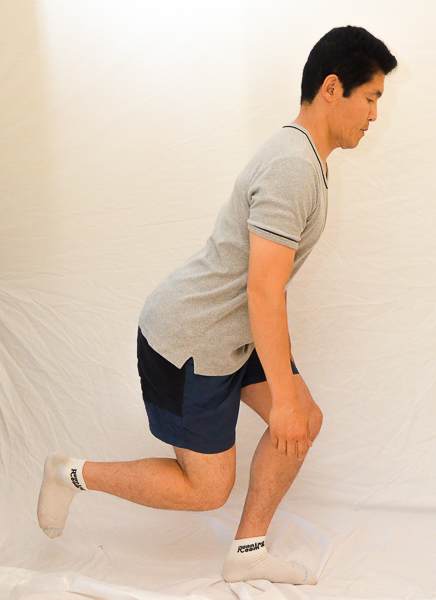
- Always stand near a wall so, you can support yourself if you lose your balance.
- Stand on one leg.
- Stick out your butt as much as you can while bringing your other leg back, dragging it on the floor to keep balance.
- Go as far as you can with the back leg.
- Don’t let your knee go forward past the big toe
- Do 3 sets of 10.
Strengthen Your Abs To Help Your Posture
B: Front Planks strengthen your abs without putting dangerous pressure on your discs like crunches and sit-ups do.
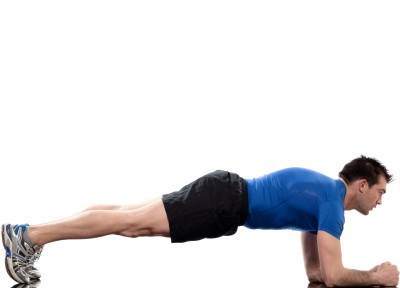
- Lie face down.
- Toes together and your arms shoulder width apart.
- Hold this position without raising your butt too high
- Your body should form a straight line. Look in the mirror.
- Hold for up to 1 minute at a time. – do the exercise 3 times.
B: Advanced Abs Strengthening To Help Your Posture

- Get a basketball or medicine ball.
- Get in the front plank position.
- Balance with your forearms on your medicine ball/basketball.
- Pull your arms in toward you while balancing on the ball.
Feel free to share your questions, thoughts and experiences in the comments below, and don’t forget to connect with us on Facebook for more updates and tips on improving your shoulder health. We’d love to hear your opinions on who you consider the best Toronto chiropractor.
Please follow and like us:
Dr. Ken, has been recognized as the Best Toronto Chiropractor in 2024, 2023, and 2018, here in downtown Toronto. As a sports chiropractor, he excels in treating a wide range of conditions including concussions, temporomandibular joint disorders (TMJ), sports-related injuries, and spinal issues. Beyond his clinical skills, Dr. Ken is an accomplished athlete, having represented Ontario in the Canadian Judo Championships and completed the Toronto Marathon on two occasions. He employs the innovative C3 Program to provide targeted and effective care to his patients, ensuring a holistic approach to their well-being and athletic performance.