
Bodi Empowerment
Rotator Cuff Treatment Toronto
Non-surgical rotator cuff injury treatment combining manual therapy, targeted rehabilitation & progressive strengthening. Dr. Ken Nakamura helps most rotator cuff patients avoid surgery.
Shoulder pain from rotator cuff injuries can be debilitating, making it difficult to lift your arm, sleep comfortably, or perform even basic daily activities. Dr. Ken Nakamura specializes in evidence-based rotator cuff treatment that restores shoulder function without surgery. Located at Push Pounds Sports Medicine in downtown Toronto, Dr. Nakamura combines precise diagnosis with targeted manual therapy and progressive rehabilitation to help most rotator cuff patients achieve complete recovery.
Quick Facts: Rotator Cuff Injuries
- Types: Tendinitis, impingement, partial tears, full-thickness tears
- Causes: Acute trauma, repetitive overhead activities, poor posture, age-related degeneration
- Typical Recovery: 4 to 8 weeks (tendinitis), 8 to 12 weeks (partial tears), 3 to 4 months (conservative full-thickness)
- Location: Push Pounds Sports Medicine, 55 University Ave, Mezzanine (2nd Floor), Downtown Toronto, M5J 2H7
Rotator Cuff Anatomy: Understanding Your Shoulder
The rotator cuff is a group of four muscles (supraspinatus, infraspinatus, teres minor, and subscapularis) and their tendons that work together to stabilize the shoulder joint and control arm movement. The shoulder is one of the most mobile joints in the body, but this mobility comes at a cost: the rotator cuff must work constantly to keep the joint stable and centered.
The rotator cuff's primary functions include:
- Joint Stability: Keeping the humeral head centered in the socket
- Movement Control: Enabling precise arm movement in multiple directions
- Force Transmission: Allowing powerful movements like throwing or reaching overhead
- Injury Prevention: Protecting the shoulder joint during dynamic activities
When the rotator cuff is injured, all of these functions are compromised, leading to pain, weakness, and instability.
Types of Rotator Cuff Injuries
Rotator cuff injuries take several forms, each with distinct characteristics and treatment approaches:
Rotator Cuff Tendinitis
Tendinitis is inflammation of the rotator cuff tendons, typically from overuse or repetitive overhead activities. It's characterized by pain with overhead movements and can usually be managed conservatively with rest, anti-inflammatory treatment, and rehabilitation exercises.
Rotator Cuff Impingement
Impingement occurs when the rotator cuff tendons are compressed or "pinched" between the humeral head and the acromion (a bony projection). This causes pain with overhead movement and can progress to more significant tears if untreated. Impingement often responds well to manual therapy addressing shoulder mechanics and posture.
Rotator Cuff Strain or Partial Tear
Strains involve partial tearing of tendon fibers, often from acute trauma or progressive overload. These require more intensive rehabilitation but can still be managed conservatively with proper treatment.
Rotator Cuff Tear (Full Thickness)
Complete tears of the rotator cuff tendon are the most serious. While some require surgical repair, many can be managed conservatively if treated early and aggressively. Dr. Nakamura will determine whether conservative or surgical treatment is appropriate for your specific tear.
What Causes Rotator Cuff Injuries?
Rotator cuff injuries result from either acute trauma or gradual degeneration:
- Acute Trauma: Falls on an outstretched arm, direct shoulder impact, sudden lifting or throwing movements
- Repetitive Overhead Activities: Throwing sports (baseball, tennis), swimming, gymnastics, overhead work
- Poor Posture and Biomechanics: Forward shoulder posture creates impingement; weak scapular stabilizers increase injury risk
- Age-Related Degeneration: Tendons naturally weaken with age and repetitive use
- Muscle Imbalances: Weak rotator cuff relative to larger shoulder muscles (deltoid, pectoralis)
- Inadequate Warming or Overtraining: Training without proper preparation increases injury risk
Understanding the cause of your rotator cuff injury guides treatment and prevention strategies.
Shoulder Pain from Rotator Cuff Injury?
Get expert non-surgical treatment from Dr. Ken Nakamura. Restore your shoulder strength & function without surgery.
Bodi Empowerment · Push Pounds Sports Medicine · 55 University Ave, Mezzanine (2nd Floor), Downtown Toronto, M5J 2H7
Recognizing Rotator Cuff Injury Symptoms
Rotator cuff injuries present with characteristic symptoms:
- Shoulder pain, often worse with overhead movements or at night
- Weakness when lifting or rotating the arm
- Difficulty reaching across the body or behind your back
- Pain that radiates down the arm
- Clicking or popping sensation in the shoulder
- Loss of range of motion
- Pain that disrupts sleep, especially lying on the affected shoulder
Many patients delay seeking care because they assume the pain will resolve on its own. However, untreated rotator cuff injuries often worsen over time, progressing from tendinitis to impingement to tears.

Dr. Ken's Non-Surgical Rotator Cuff Treatment Approach
Dr. Nakamura's philosophy is to preserve rotator cuff function through conservative treatment whenever possible. His assessment and treatment process includes:
Precise Diagnosis
Dr. Nakamura performs specialized orthopedic tests (drop arm test, empty can test, external rotation lag sign) to assess rotator cuff integrity. Imaging (ultrasound or MRI) is ordered when indicated to determine tear size and location. This precision diagnosis guides treatment decisions.
Manual Therapy and Joint Mobilization
Gentle shoulder joint mobilization restores proper glenohumeral mechanics and reduces pain. Soft tissue therapy releases muscle tension and improves circulation to promote healing. These manual techniques reduce pain and improve mobility in the acute phase.
Scapular Stabilization and Postural Correction
Many rotator cuff problems stem from poor scapular control or postural issues. Dr. Nakamura assesses and corrects these underlying biomechanical problems. Strengthening the scapular stabilizers (serratus anterior, lower trapezius) improves shoulder stability and prevents re-injury.
Progressive Rotator Cuff Strengthening
Once acute pain decreases, targeted rotator cuff exercises restore strength and function. Exercises progress from isometric (no movement) to concentric (lifting against resistance) to eccentric (controlled lowering) to functional movements. This progressive approach rebuilds tissue capacity safely.
Sport or Activity-Specific Training
If you're an overhead athlete or have overhead occupational demands, Dr. Nakamura designs training programs that address sport-specific demands. Throwing athletes, swimmers, and tennis players all require different rehabilitation progressions.
When Is Surgery Necessary?
Most rotator cuff injuries can be managed conservatively. However, surgery may be recommended if:
- You have a large full-thickness tear (typically over 1.5 cm)
- Conservative treatment has been pursued for 3 to 6 months without improvement
- You're an overhead athlete with high functional demands
- You experience progressive weakness or loss of function
- You have associated injuries (like labral tears) requiring surgical intervention
When surgery is necessary, Dr. Nakamura will coordinate your care with an orthopedic surgeon and provide post-operative rehabilitation. However, the majority of his patients achieve full recovery through conservative treatment.
Recovery Timeline and Expectations
Rotator cuff recovery timelines depend on injury severity:
- Tendinitis: 4 to 8 weeks with appropriate treatment
- Partial Tears: 8 to 12 weeks of consistent rehabilitation
- Full-Thickness Tears (conservative): 3 to 4 months for functional recovery
- Post-Surgical Recovery: 3 to 6 months for full return to function
Recovery isn't linear, there will be good days and challenging days. Consistent rehabilitation and progressive activity advancement are essential for complete healing.
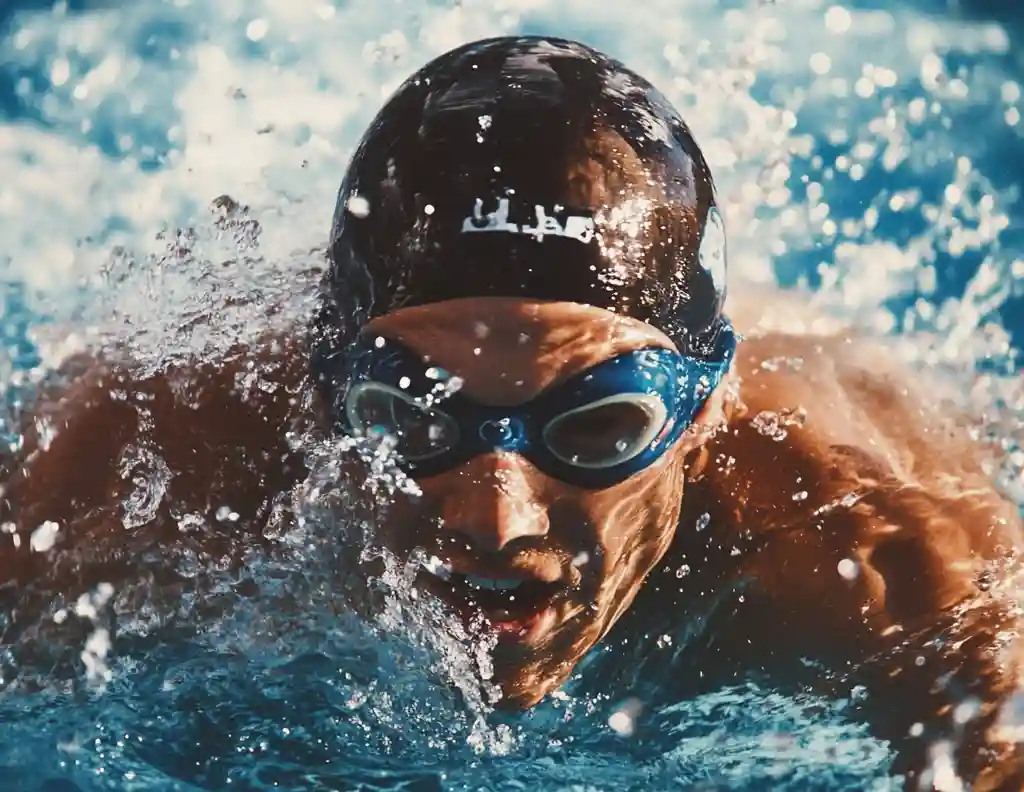
Progressive rotator cuff rehabilitation restores shoulder function and enables return to sport without pain.
Related Conditions
Rotator cuff injuries often coexist with other shoulder issues. If you're experiencing shoulder impingement, this underlying problem must be addressed to prevent re-injury. Tennis elbow or wrist strain may develop from altered mechanics during rotator cuff recovery. Neck pain can contribute to shoulder dysfunction and must be assessed.
Frequently Asked Questions
Can a rotator cuff tear heal without surgery?
Yes, many rotator cuff tears heal without surgery. Full-thickness tears smaller than 1.5 cm often respond well to conservative treatment with manual therapy and aggressive rehabilitation. Larger tears or tears with progressive weakening may require surgery. Dr. Nakamura will assess your specific tear and recommend the appropriate treatment approach.
How long does rotator cuff rehabilitation take?
Rehabilitation typically takes 8 to 12 weeks for partial injuries and 3 to 4 months for more significant tears. Consistent compliance with home exercises is essential for optimal results. Many patients see significant improvement within 4 to 6 weeks as pain decreases and strength increases.
Can I play sports with a rotator cuff injury?
Return to sports depends on injury severity and sport demands. Initially, you should avoid overhead activities and throwing. As rehabilitation progresses, sport-specific training can gradually resume. Dr. Nakamura will guide return-to-sport based on objective strength and functional testing, not arbitrary timelines.
What's the difference between rotator cuff tear and impingement?
Impingement occurs when tendons are compressed or pinched, causing inflammation and pain. A tear is an actual break in the tendon. You can have impingement without a tear. Impingement often precedes tears if untreated. Dr. Nakamura's assessment determines which condition you have, guiding appropriate treatment.
How can I prevent rotator cuff injuries?
Prevention includes maintaining good posture, strengthening scapular stabilizers and rotator cuff muscles, avoiding excessive overhead activity, proper warm-up before sports, and gradual progression of training intensity. If you're an overhead athlete, sport-specific conditioning is essential. Dr. Nakamura can design a prevention program tailored to your activities.
Protect Your Shoulder Health
Dr. Ken Nakamura has successfully treated hundreds of Toronto patients with rotator cuff injuries, helping them return to sports, work, and daily activities without pain.
Bodi Empowerment · Push Pounds Sports Medicine · 55 University Ave, Mezzanine (2nd Floor), Downtown Toronto, M5J 2H7