
Bodi Empowerment
Vertigo Treatment Toronto
Specialized vertigo & dizziness treatment for BPPV, cervicogenic vertigo & post-concussion balance problems. Dr. Ken Nakamura restores balance with proven vestibular rehabilitation.
Vertigo, the sensation that the room is spinning around you, is far more than just dizziness. It's a debilitating condition that affects your balance, confidence, and quality of life. Dr. Ken Nakamura takes a specialized approach to vertigo at his downtown Toronto practice by identifying the underlying cause and implementing targeted treatment. Whether your vertigo stems from inner ear dysfunction, cervical spine issues, or post-concussion effects, Dr. Nakamura has evidence-based solutions to restore your balance and stability.
Quick Facts: Vertigo
- Common Types: BPPV (20 to 30% of dizziness disorders), cervicogenic vertigo, vestibular neuritis, post-concussion
- BPPV Treatment: Epley maneuver highly effective (80 to 90% success rate)
- Typical Recovery: 1 to 2 weeks (BPPV), 4 to 8 weeks (cervicogenic), 3 to 6 weeks (vestibular)
- Location: Push Pounds Sports Medicine, 55 University Ave, Mezzanine (2nd Floor), Downtown Toronto, M5J 2H7
Types of Vertigo: What's Causing Your Dizziness?
Not all vertigo is the same. Accurate diagnosis of the underlying cause is essential for effective treatment. The two most common types Dr. Nakamura treats are:
Benign Paroxysmal Positional Vertigo (BPPV)
BPPV is the most common cause of vertigo, accounting for roughly 20 to 30% of all dizziness disorders seen in clinical practice. It occurs when calcium carbonate crystals (otoliths) in your inner ear become dislodged and move into the semicircular canals. These crystals are normally embedded in the utricle, a structure that helps your brain detect head position and movement. When they become loose, they roll around the semicircular canals, sending confusing balance signals to your brain. This causes brief, intense episodes of spinning sensation, typically triggered by head movements such as rolling over in bed, looking up, or bending down. BPPV episodes usually last seconds to minutes and often improve spontaneously, but they frequently recur without proper treatment.
Cervicogenic Vertigo
Cervicogenic vertigo results from dysfunction in the cervical spine (neck). Misalignment, muscle tension, or nerve irritation in the neck can disrupt the signals sent to your balance center in the brain. Unlike BPPV, cervicogenic vertigo is often accompanied by neck pain or stiffness and may worsen with certain neck positions or movements. The cervical spine contains specialized sensory receptors called proprioceptors that constantly send information to your brain about neck position. When these receptors are irritated by spine dysfunction, it can cause dizziness and balance problems even though your inner ear is functioning normally.
Other causes Dr. Nakamura assesses for include vestibular neuritis (inflammation of the vestibular nerve), labyrinthitis (inflammation of the inner ear), post-concussion syndrome, medication side effects, and other neurological conditions. Accurate diagnosis is the foundation of effective treatment. Some patients have multiple contributing factors, for example BPPV combined with cervicogenic involvement, requiring a comprehensive treatment approach that addresses all components.
Vertigo Symptoms and Impact on Daily Life
Vertigo symptoms vary in intensity and duration but commonly include:
- Spinning sensation (true vertigo) or feeling off balance
- Nausea and vomiting, especially during acute episodes
- Difficulty focusing eyes or visual blurriness during movement
- Loss of confidence moving around, especially on stairs or in crowds
- Anxiety about when the next episode might occur
- Difficulty with certain activities like driving or working at heights
Many vertigo sufferers report that their condition significantly impacts their work, social life, and emotional wellbeing. The good news: with proper diagnosis and treatment, vertigo is highly treatable.
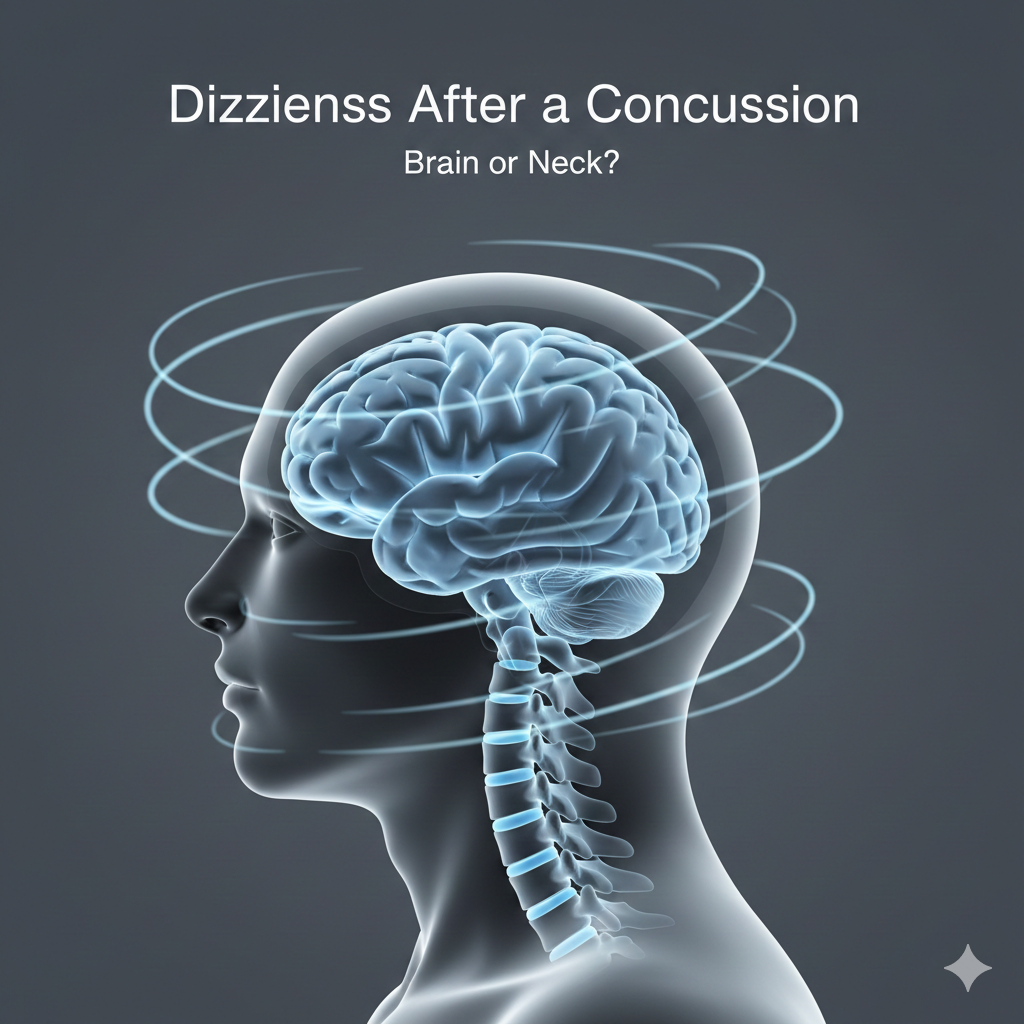
The Epley Maneuver: Repositioning for BPPV Relief
If you have BPPV, the Epley maneuver (also called canalith repositioning procedure) is often an effective first line treatment. This is a series of specific head movements designed to move displaced crystals out of the semicircular canals and back into the utricle, where they belong. Dr. Nakamura performs this maneuver with precision to provide immediate relief.
The Epley maneuver typically provides significant improvement in 1 to 2 sessions. However, BPPV can recur, which is why Dr. Nakamura often recommends vestibular rehabilitation exercises to strengthen your balance system and reduce recurrence risk.
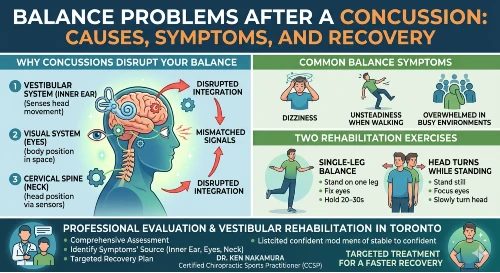
Vestibular rehabilitation exercises restore balance and reduce vertigo recurrence through specialized movement retraining.
Struggling with Vertigo or Dizziness?
Don't let balance problems control your life. Get specialized assessment and treatment from Dr. Ken Nakamura.
Bodi Empowerment · Push Pounds Sports Medicine · 55 University Ave, Mezzanine (2nd Floor), Downtown Toronto, M5J 2H7
Vestibular Rehabilitation: Retraining Your Balance System
For both BPPV and cervicogenic vertigo, vestibular rehabilitation is crucial. These specialized exercises help your brain adapt to balance signals and improve proprioception (your body's spatial awareness). Dr. Nakamura's vestibular rehabilitation program includes:
- Gaze Stabilization Exercises: Improve your ability to focus on objects while your head moves
- Balance Training: Progressive challenges to your balance system to rebuild confidence and stability
- Positional Exercises: Movements designed to desensitize your vestibular system to triggering positions
- Cervical Mobility Work: If neck dysfunction is contributing, Dr. Nakamura addresses alignment and mobility
- Functional Integration: Exercises that simulate real world activities and movement patterns
Vestibular rehabilitation takes time, typically 3 to 6 weeks, but it produces lasting results. Most patients report significant improvement within the first 2 to 3 weeks as their nervous system adapts.
Cervical Treatment for Neck Related Vertigo
If your vertigo stems from cervical dysfunction, Dr. Nakamura combines manual therapy with targeted exercises. This might include:
- Cervical spine manipulation and mobilization to restore proper alignment
- Soft tissue therapy to release muscle tension and improve circulation
- Posture assessment and correction, especially for desk workers
- Neck stability exercises to strengthen deep stabilizing muscles
- Proprioceptive training to improve your nervous system's awareness of neck position
By addressing the underlying cervical dysfunction, Dr. Nakamura often eliminates associated vertigo, headaches, and neck pain simultaneously.
Connection to Post-Concussion Dizziness
Vertigo and dizziness are common post-concussion symptoms. If your vertigo developed after a head injury or concussion, specialized assessment is critical. Dr. Nakamura evaluates both the vestibular system and cervical spine involvement. Learn more about his post-concussion syndrome treatment, which includes vestibular rehabilitation and cervical care.
Recovery and Long Term Management
With appropriate treatment, most vertigo responds well. BPPV often improves dramatically after 1 to 2 Epley maneuvers. Cervicogenic vertigo typically requires 4 to 8 weeks of consistent treatment. The key is addressing the root cause rather than just managing symptoms. This is why some patients receive medication like meclizine or other anti dizziness drugs without actually resolving their vertigo. Medication masks symptoms but doesn't treat the underlying problem.
Dr. Nakamura's patients in Toronto report that treatment not only resolves their acute vertigo but also prevents recurrence through home exercise programs and lifestyle modifications. Many patients are amazed at how their confidence returns once their balance system is restored. They report no longer being afraid to move their head, being able to drive safely again, and enjoying activities that vertigo had made impossible. Beyond symptom resolution, proper vestibular rehabilitation retrains your nervous system and improves your overall balance capacity, providing long lasting benefits that extend far beyond pain relief.
Related Conditions
Vertigo often coexists with other conditions requiring attention. If you're experiencing headaches, especially associated with your dizziness, they should be addressed together. Neck pain accompanying vertigo suggests cervicogenic involvement. If your vertigo followed head trauma or concussion, comprehensive post-concussion assessment is essential.
Frequently Asked Questions
Is vertigo the same as dizziness?
No. Dizziness is a general feeling of lightheadedness or unsteadiness. Vertigo is the specific sensation that the room is spinning around you. Vertigo is more severe and typically indicates inner ear or vestibular dysfunction. Dr. Nakamura determines whether you're experiencing true vertigo or another form of dizziness, which guides treatment decisions.
Will the Epley maneuver work for me?
The Epley maneuver is highly effective for BPPV, with success rates around 80 to 90%. However, if your vertigo is cervicogenic (caused by neck dysfunction), you'll need different treatment. This is why accurate diagnosis is so important. Dr. Nakamura assesses your specific condition to determine the right approach.
How long does vestibular rehabilitation take?
Most patients see significant improvement within 2 to 3 weeks of consistent vestibular rehabilitation. Complete recovery typically takes 4 to 6 weeks, depending on the underlying cause and how long you've had symptoms. The key is consistency, as home exercises are essential for optimal results.
Can vertigo return after treatment?
BPPV can recur in some patients, which is why Dr. Nakamura emphasizes home exercise programs and preventive strategies. Cervicogenic vertigo is less likely to recur if you maintain good posture and continue with maintenance exercises. Dr. Nakamura will teach you strategies to minimize recurrence risk.
Should I avoid certain movements if I have vertigo?
In the acute phase, yes, avoiding triggering movements can minimize symptoms. However, complete avoidance actually delays recovery by preventing your nervous system from adapting. Dr. Nakamura guides you through a progressive exposure approach, gradually introducing challenging movements and positions as your tolerance improves. This accelerates recovery and rebuilds confidence.
Regain Your Balance and Confidence
Dr. Ken Nakamura has successfully treated hundreds of Toronto patients with vertigo, helping them return to normal activities without fear of losing their balance.
Bodi Empowerment · Push Pounds Sports Medicine · 55 University Ave, Mezzanine (2nd Floor), Downtown Toronto, M5J 2H7