
Bodi Empowerment
Tennis Elbow Treatment Toronto
Evidence-based lateral epicondylitis treatment combining inflammation management, progressive strengthening & biomechanical correction. Dr. Ken Nakamura helps most tennis elbow patients avoid chronic pain.
Tennis elbow, also known as lateral epicondylitis, is one of the most common overuse injuries Dr. Ken Nakamura treats at his downtown Toronto practice. Despite its name, tennis elbow affects far more than just tennis players. People working in trades, at desks, or performing any repetitive gripping or twisting activities can develop this painful condition. If you're experiencing elbow pain on the outside of your arm that worsens with gripping, twisting, or lifting, Dr. Nakamura has effective evidence-based treatment to get you back to pain free function.
Quick Facts: Tennis Elbow
- Medical Name: Lateral epicondylitis affecting extensor carpi radialis brevis tendon
- Common Causes: Repetitive gripping, twisting, or wrist extension activities
- Typical Recovery: 4 to 8 weeks (acute), 8 to 12 weeks (chronic), 3 to 6 months (long standing)
- Location: Push Pounds Sports Medicine, 55 University Ave, Mezzanine (2nd Floor), Downtown Toronto, M5J 2H7
What Is Tennis Elbow? Understanding Lateral Epicondylitis
Tennis elbow is inflammation and micro tearing of the extensor carpi radialis brevis (ECRB) muscle and its tendon attachment at the lateral epicondyle, the bony prominence on the outside of your elbow. This overuse injury develops gradually as repetitive stress exceeds the tissue's capacity to heal.
The condition progresses through stages:
- Acute Phase: Initial inflammation and pain from acute overuse or injury
- Chronic Phase: Persistent micro tearing and inflammation that can last weeks or months
- Degenerative Phase: If untreated, chronic inflammation can lead to tendon degeneration and weakness
Early intervention prevents progression to chronic or degenerative stages.
Tennis Elbow Is Not Just for Tennis Players
While tennis players do develop this injury, the majority of Dr. Nakamura's tennis elbow patients have never held a tennis racquet. Common causes he sees in Toronto include:
- Occupational Activities: Repetitive gripping, twisting, or lifting in construction, plumbing, carpentry, dentistry, or manufacturing
- Desk Work: Prolonged mouse use, typing, or other repetitive hand and arm movements
- Sports: Tennis, badminton, squash, golf, throwing sports
- Hobby Activities: Painting, gardening, knitting, or other repetitive hand activities
- Fitness Activities: Weightlifting, CrossFit, or resistance training with poor form
Any activity involving repetitive gripping, twisting, or wrist extension can cause tennis elbow. This is why accurate diagnosis and activity modification are essential treatment components.
Experiencing Tennis Elbow Pain?
Don't let it become chronic. Get expert assessment and effective treatment from Dr. Ken Nakamura.
Bodi Empowerment · Push Pounds Sports Medicine · 55 University Ave, Mezzanine (2nd Floor), Downtown Toronto, M5J 2H7
Recognizing Tennis Elbow Symptoms
Tennis elbow symptoms are distinctive and progressively worsen without treatment:
- Pain on the outside (lateral side) of the elbow
- Pain that worsens with gripping, squeezing, or wringing movements
- Pain when lifting objects or extending the wrist
- Weakness in the forearm or difficulty holding objects
- Morning stiffness in the elbow
- Pain that may radiate down the forearm toward the wrist
- Difficulty performing activities like opening jars, shaking hands, or serving in tennis
Many patients initially try to "push through" the pain, hoping it will resolve on its own. However, continued activity without treatment typically worsens the condition. Early intervention leads to faster recovery.

Why Tennis Elbow Develops and Persists
Tennis elbow develops when repetitive stress exceeds the tissue's healing capacity. Several factors contribute:
- Repetitive Stress: Frequent gripping or wrist extension without adequate recovery
- Poor Biomechanics: Improper technique in sports or activities creates excessive lateral elbow stress
- Inadequate Strength: Weak forearm extensors cannot handle demands placed on them
- Muscle Imbalances: Stronger flexor muscles (inside forearm) pull the elbow out of balance
- Age: Tendon elasticity naturally decreases with age, increasing injury susceptibility
- Rapid Activity Progression: Sudden increases in intensity or volume without adequate conditioning
This is why addressing biomechanics, strength, and activity modification is so important for preventing recurrence.
Dr. Ken's Evidence Based Tennis Elbow Treatment
Dr. Nakamura's approach to tennis elbow is comprehensive and progressive:
Accurate Diagnosis and Activity Assessment
Dr. Nakamura performs specific orthopedic tests (Mill's test, Cozen's test, chair lift test) to confirm lateral epicondylitis. He also assesses your work and activity to identify the specific movements causing your pain. This detailed analysis guides treatment and prevention strategies.
Inflammation Management and Early Stage Treatment
In the acute phase, treatment focuses on reducing inflammation and protecting the tissue from further damage. This includes:
- Soft tissue therapy to reduce muscle tension and improve circulation
- Manual therapy techniques to restore proper elbow mechanics
- Activity modification guidance to eliminate aggravating movements
- Counterforce Bracing: A brace applied just below the elbow reduces stress on the lateral epicondyle during activity
Progressive Strengthening and Stretching
Once acute inflammation subsides, Dr. Nakamura implements progressive strengthening and flexibility work:
- Forearm Extensor Strengthening: Progressive resistance exercises to rebuild capacity of injured tissues
- Eccentric Training: Specific eccentric (lengthening) exercises that are particularly effective for tendon adaptation
- Grip Strengthening: Building grip strength balanced with flexibility
- Wrist Flexibility Exercises: Improving mobility to reduce stress concentration
Eccentric exercises are particularly important. Research shows they're one of the most effective tennis elbow treatments.
Biomechanical Correction and Technique Modification
If you're a tennis player, Dr. Nakamura assesses your technique and makes recommendations to reduce lateral elbow stress. For workers and desk bound individuals, he provides ergonomic guidance. These biomechanical corrections prevent reinjury and support lasting recovery.
Return to Activity Progression
Once pain decreases and strength improves, Dr. Nakamura gradually returns you to your normal activities. This progressive return prevents reinjury and builds confidence. For athletes, this may include sport specific training; for workers, it includes gradual return to full occupational demands.
Recovery Timeline and Expectations
Tennis elbow recovery depends on several factors:
- Acute Tennis Elbow: 4 to 8 weeks with appropriate treatment
- Chronic Tennis Elbow: 8 to 12 weeks or longer if symptoms have persisted for months
- Activity Duration: Cases with years of symptoms may require 3 to 6 months of treatment
Key factors affecting recovery speed include:
- How long you've had symptoms (acute cases recover faster than chronic)
- Compliance with rehabilitation exercises and activity modification
- Your age and overall health
- Willingness to modify aggravating activities during recovery
With consistent treatment and proper rehabilitation, the vast majority of tennis elbow cases resolve fully. Even patients with chronic tennis elbow lasting years often achieve complete recovery with Dr. Nakamura's targeted approach.
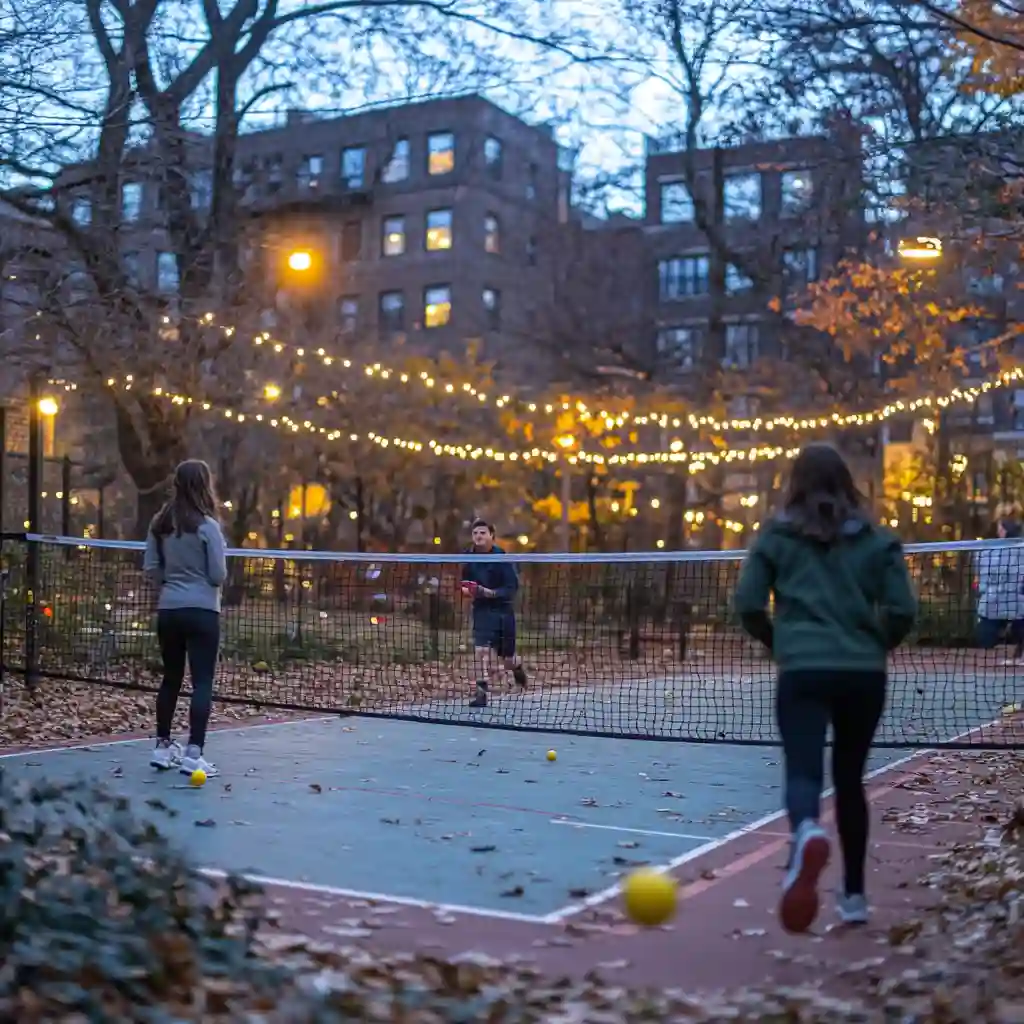
Tennis elbow treatment enables athletes and active individuals to return to their sport pain free.
Why Some Tennis Elbow Cases Become Chronic
Tennis elbow chronicity usually results from inadequate treatment rather than the injury itself. Patients who receive only rest, ice, and pain management without addressing underlying biomechanics and strength deficits often develop chronic pain. Additionally, patients who return to activity too quickly (before adequate healing and strengthening) frequently reinjure the tendon, perpetuating the cycle of chronic pain.
Dr. Nakamura's progressive, comprehensive approach prevents chronicity by ensuring complete healing, full strength restoration, and biomechanical correction before return to activity. This prevents the cycle of reinjury that transforms acute tennis elbow into a chronic, frustrating condition.
Can You Prevent Tennis Elbow?
Yes. Prevention strategies are highly effective:
- Proper Technique: Learn and maintain proper form in sports and occupational activities
- Progressive Training: Increase intensity and volume gradually, avoiding sudden spikes in activity
- Adequate Recovery: Allow rest days between intense activities
- Strength Training: Maintain forearm extensor and grip strength through regular conditioning
- Flexibility: Maintain wrist and forearm flexibility through regular stretching
- Ergonomics: Optimize your workspace to minimize repetitive strain
- Equipment: Use appropriate equipment with proper grip size and string tension for racquet sports
If you've had tennis elbow, Dr. Nakamura can design a maintenance program to prevent recurrence.
Related Conditions
Tennis elbow often coexists with other arm or shoulder issues. If you're experiencing rotator cuff problems or shoulder pain, these should be addressed together. Wrist strain may develop from altered mechanics during tennis elbow recovery. Neck pain can contribute to upper extremity dysfunction.
Frequently Asked Questions
Can tennis elbow heal on its own?
Mild tennis elbow may improve with rest, but chronic cases often persist without proper treatment. The problem is that ongoing activity perpetuates the injury cycle. Dr. Nakamura's treatment accelerates healing by reducing inflammation, improving strength, and addressing biomechanical causes, leading to faster recovery than simply resting.
Should I stop playing tennis or doing my job while I have tennis elbow?
Complete rest isn't necessary and can delay recovery. Instead, Dr. Nakamura recommends activity modification, continuing activities you can perform without pain while avoiding movements that aggravate symptoms. With a counterforce brace and modified technique, many people continue sports and work while recovering from tennis elbow. As pain decreases and strength improves, you gradually return to full activity.
How does eccentric training help tennis elbow?
Eccentric exercises (controlled lowering movements) cause micro tearing and stimulate the body's healing response. Research shows eccentric training is one of the most effective tennis elbow treatments. These exercises specifically target the injured tissue and promote adaptation and strengthening. Dr. Nakamura will teach you proper eccentric exercises as part of your rehabilitation program.
Can tennis elbow become a chronic condition?
Yes, untreated or inadequately treated tennis elbow can persist for years. However, with appropriate treatment addressing inflammation, strength, and biomechanics, chronic tennis elbow resolves. Dr. Nakamura's comprehensive approach prevents chronicity by addressing the underlying causes. Even long standing tennis elbow often responds well to targeted treatment.
Get Effective Tennis Elbow Treatment
Dr. Ken Nakamura has successfully treated hundreds of Toronto patients with tennis elbow, returning them to sports and work without pain.
Bodi Empowerment · Push Pounds Sports Medicine · 55 University Ave, Mezzanine (2nd Floor), Downtown Toronto, M5J 2H7