Bodi Empowerment
TMJ Pain That Won’t Improve? What Most Toronto Patients Overlook
Please follow and like us:


If your TMJ pain hasn’t improved despite rest, a night guard, massage, or medication, you’re far from alone. Many Toronto patients are told to “avoid chewing” or “reduce stress,” yet months later they still struggle with jaw clicking, facial tension, headaches, or pain while eating.
Here’s the truth: persistent TMJ pain is rarely just a jaw problem.
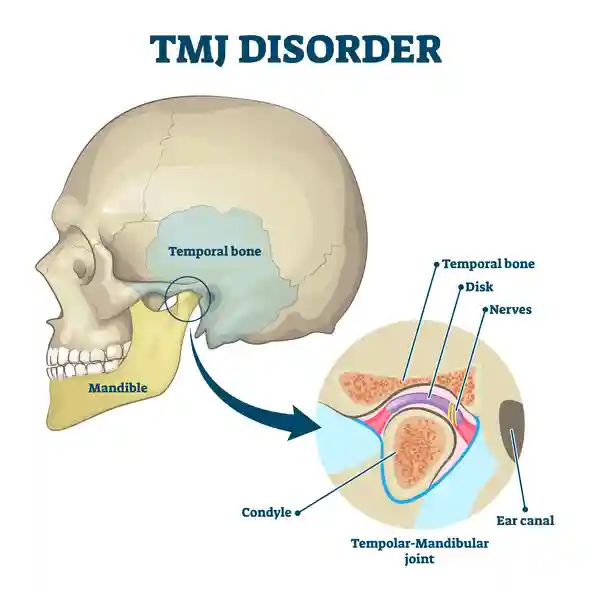
Jaw Clicking TMJ and When To Seek TMD Treatment
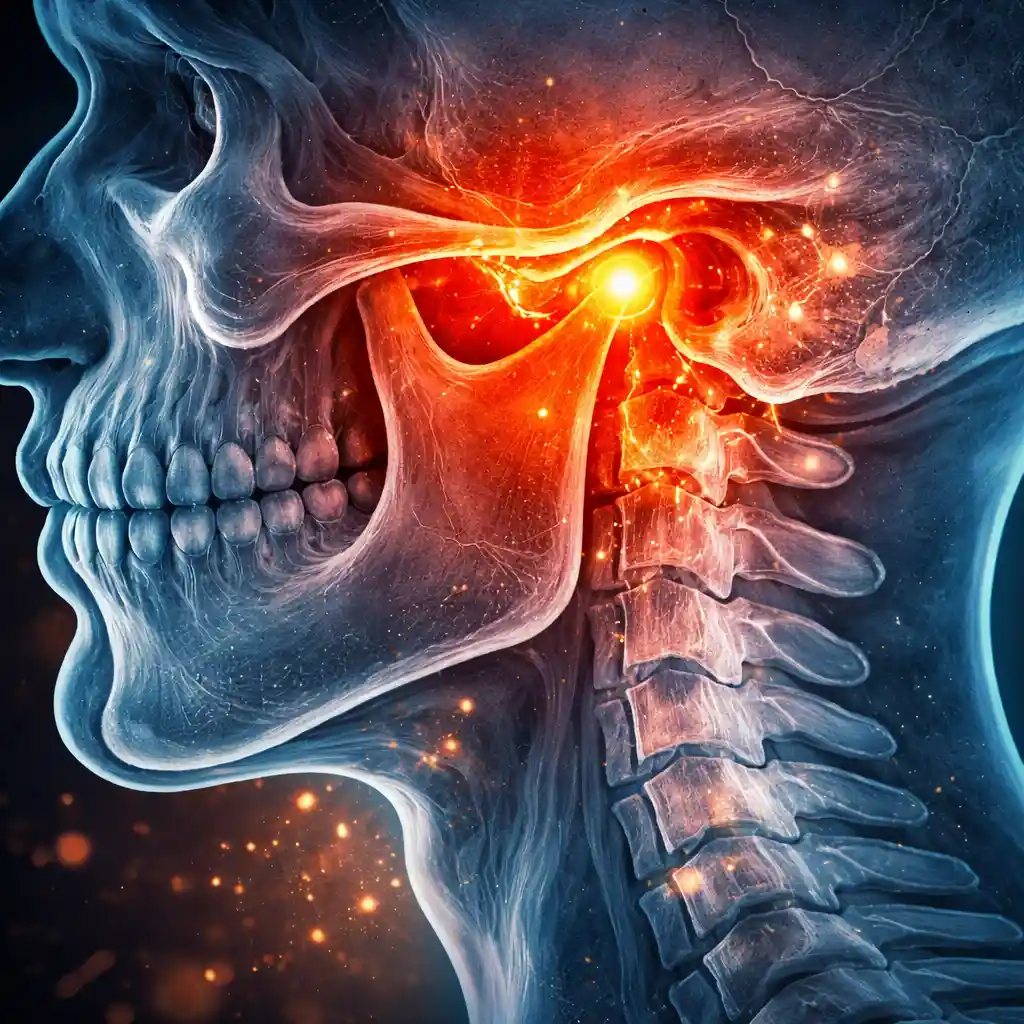
The Most Overlooked Cause of TMJ Pain: The Neck–Jaw Connection
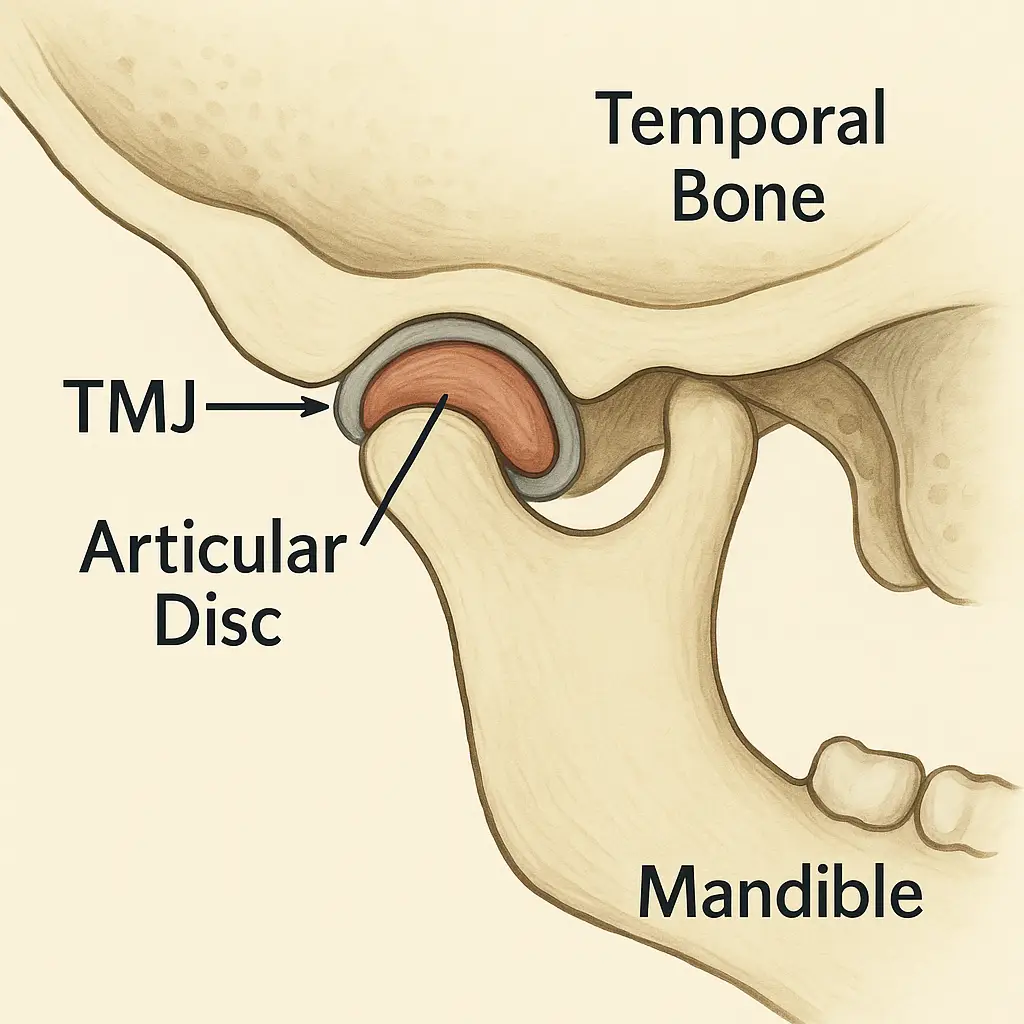
The temporomandibular joint (TMJ) does not work in isolation. It is deeply interconnected with the structures of the neck and upper spine. These systems share mechanical, muscular, and neurological pathways, including:
- The upper cervical spine
- Deep neck flexor muscles
- Postural stabilizers
- The trigeminal nerve system
When the neck becomes stiff, rotated, or weak, the jaw is forced to compensate. Over time, this compensation increases joint compression, muscle overactivity, and irritation of the TMJ.
This is why TMJ pain often persists when treatment focuses only on the teeth or bite alignment. If the neck isn’t assessed, the root cause may be missed entirely.
Understanding TMJ Disorder: Causes, Symptoms, and Treatment
Why Imaging Rarely Explains Ongoing TMJ Pain
X‑rays and MRIs can identify structural issues such as disc displacement or arthritis. But most chronic TMJ pain is functional, meaning it stems from how the jaw and neck move—not from visible damage.
Common functional contributors include:
- Poor jaw tracking
- Muscle overactivity
- Asymmetrical loading
- Cervical joint dysfunction
- Nervous system sensitization
These issues often do not appear clearly on imaging, which is why many patients are told their scans are “normal” despite ongoing symptoms.
A Right Short-Leg Can Cause Pain From Your Hips to Your Neck
Signs You May Be Missing the Real Source of Your TMJ Pain
You may need a more comprehensive evaluation if you experience:
- Jaw pain combined with neck stiffness
- Headaches at the base of the skull
- Clicking or locking that changes day to day
- Symptoms that worsen with posture or screen time
- Limited mouth opening with muscular tightness
These patterns strongly suggest a jaw–neck coordination problem, not simply a bite issue.
What Effective TMJ Treatment Should Include
A complete TMJ assessment should go beyond the jaw itself. Evidence‑based care typically includes:
- Evaluation of jaw mechanics and movement patterns
- Cervical spine mobility testing
- Muscle tone assessment (masseter, temporalis, SCM, upper traps)
- Postural analysis and correction strategies
- A tailored home exercise program
Effective treatment is precise, gentle, and targeted—not aggressive. The goals are to reduce joint compression, restore normal movement, and calm the sensitized nervous system.
Example Exercise: Controlled Jaw Opening
Purpose: Improve jaw tracking and reduce strain on the TMJ.
How to perform:
- Stand in front of a mirror.
- Place your tongue lightly on the roof of your mouth.
- The tongue should be slight behind your top teeth but not touching.
- Slowly open your mouth while keeping the jaw centered.
- Close with control.
- Repeat 8–10 times.
Movement should feel smooth and symmetrical. If you notice shifting, clicking, or pain, it’s a sign that further assessment may be needed.
Why Many Toronto Patients Stay Stuck With TMJ Pain
TMJ pain persists when treatment is incomplete. If care focuses only on the teeth—while ignoring posture, cervical mechanics, and neuromuscular control—symptoms often return.
Long‑term improvement requires:
- Mechanical correction
- Neuromuscular retraining
- Load management
- Ongoing reassessment
When these elements are combined, progress becomes predictable.
The Takeaway
TMJ pain that doesn’t improve isn’t a mystery—it’s often a missed connection between the jaw, neck, and nervous system.
If you’ve tried splints, massage, or medication without lasting relief, the issue may not be your bite. It may be the system controlling it.
Persistent TMJ pain is common. Staying stuck doesn’t have to be.
Tell us what you think in the comments below and like us on Facebook. This Toronto Downtown Chiropractor will answer all questions in the comments section.
Please follow and like us:
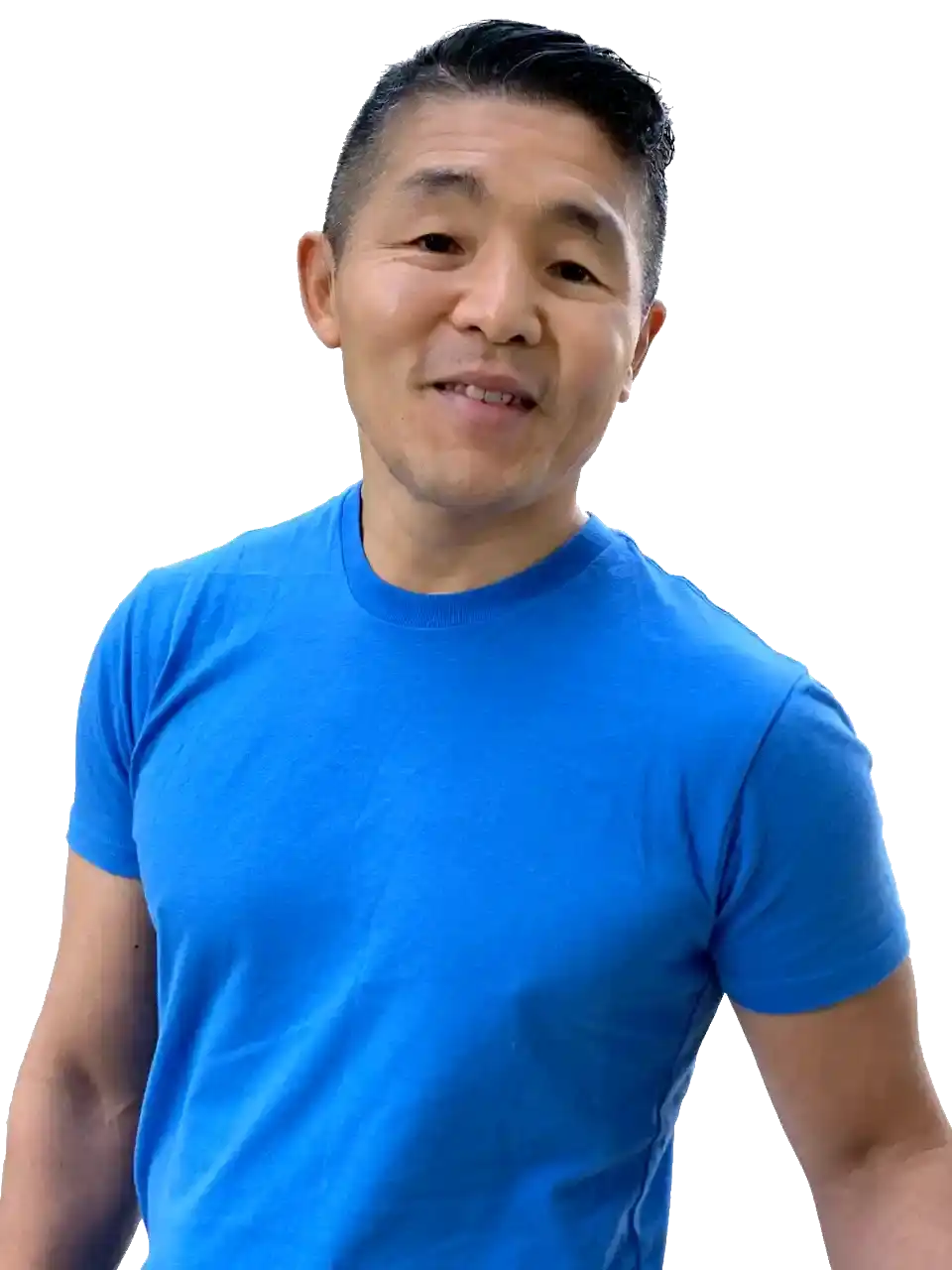
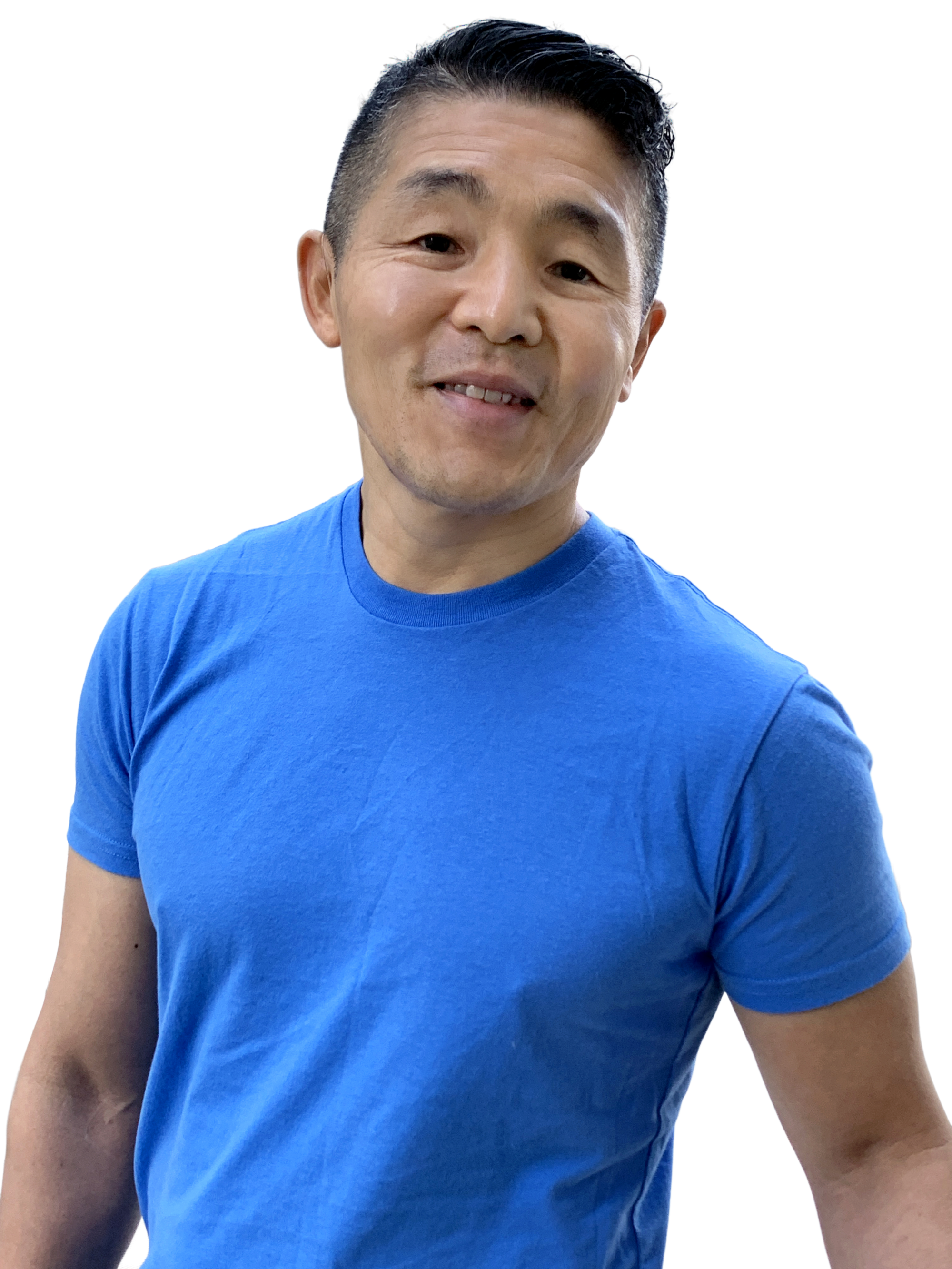
Dr. Ken, has been recognized as the Best Toronto Chiropractor in 2024, 2023, and 2018, here in downtown Toronto. As a sports chiropractor, he excels in treating a wide range of conditions including concussions, temporomandibular joint disorders (TMJ), sports-related injuries, and spinal issues. Beyond his clinical skills, Dr. Ken is an accomplished athlete, having represented Ontario in the Canadian Judo Championships and completed the Toronto Marathon on two occasions. He employs the innovative C3 Program to provide targeted and effective care to his patients, ensuring a holistic approach to their well-being and athletic performance.