Bodi Empowerment
Concussion //
How a Toronto Chiropractor Treats Concussion Differently
Please follow and like us:


Concussion recovery isn’t always straightforward. For some people, symptoms clear up within a week or two. For others — athletes, students, office workers, and everyone in between — headaches, dizziness, and brain fog can drag on for weeks or months, even when every scan comes back normal. If you’ve been told to rest and wait, and waiting hasn’t worked, there’s a reason for that. And there’s a better path forward.
Concussion Chiropractor Toronto
As a chiropractor in Toronto who works specifically with concussion patients, I see this pattern regularly: people who are motivated to recover, who are doing everything they’ve been told, and who are still stuck. The missing piece is almost always the same — their care hasn’t addressed all the systems the concussion disrupted in the first place.
What Is a Concussion — and Why Do Symptoms Sometimes Last for Months?
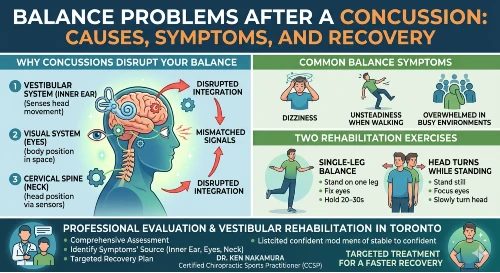
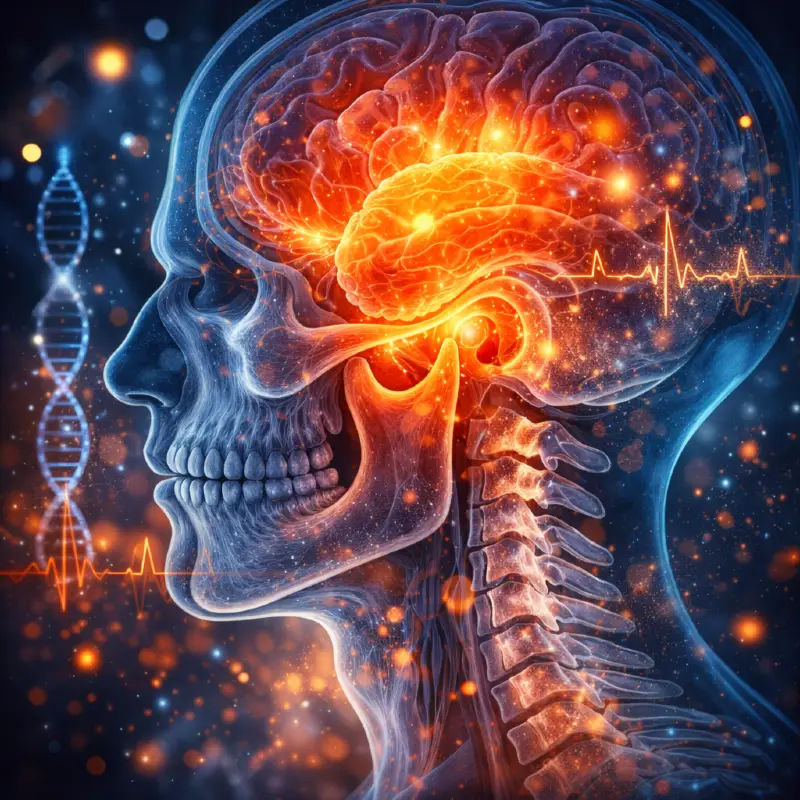
The clinical understanding of concussion has evolved considerably over the past decade. We now know that a concussion doesn’t just affect the brain in isolation. The impact — or more commonly, the rapid acceleration and deceleration of the head — simultaneously disrupts communication between the brain, the vestibular system (your inner ear), the visual system, and the cervical spine (the upper neck).
These systems are deeply interconnected. They work together constantly to help you balance, stabilize your gaze, orient yourself in space, and move without effort. When the injury disrupts that coordination, the result is the wide-ranging symptom picture that many concussion patients know well: headaches triggered by movement or screens, dizziness when turning the head, difficulty concentrating, sensitivity to light, and a general sense that your brain just isn’t keeping up.
Concussion Rehabilitation: How To Return To Sport
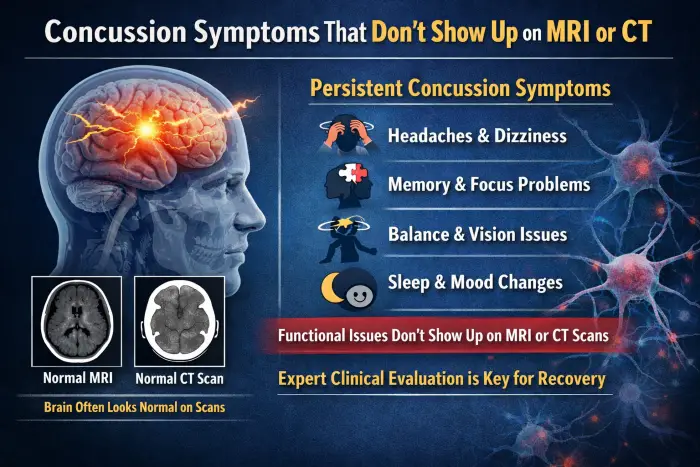
What’s important to understand is that normal neuroimaging — a clear MRI or CT — does not rule out these functional disruptions. A normal scan tells us there’s no structural bleed or lesion. It doesn’t tell us that your vestibular system is communicating properly with your eyes, or that your cervical spine wasn’t strained in the same impact that caused your concussion. In many persistent concussion cases, the neck and inner ear are significant contributors to ongoing symptoms. Imaging won’t show that. A thorough clinical assessment will.
Why a Concussion Chiropractor in Toronto Looks Beyond the Brain
The goal of a chiropractic concussion assessment is to identify which systems are underperforming and by how much. This is not a subjective process. It involves specific, measurable tests that create a clear baseline and allow us to track objective improvement over time.
A comprehensive evaluation typically includes vestibulo-ocular reflex (VOR) testing to assess how well your eyes and inner ear are working together, smooth pursuit and saccadic eye movement testing, cervical range of motion and joint assessment, balance and coordination measures, and graded exertion testing to determine your current physical tolerance. We also screen carefully for red flags — symptoms or findings that fall outside the typical concussion picture and require imaging, neurology, or specialist referral before proceeding with rehab.
This level of detail matters because concussion is not one-size-fits-all. Two patients with similar mechanisms of injury can present very differently, and treatment should reflect that. Applying the same generic protocol to every concussion patient is one reason so many people plateau in their recovery.
How Chiropractic Concussion Treatment Works: Active Rehab, Not Passive Rest
The research on concussion management has shifted meaningfully in recent years. Prolonged rest beyond the first 24 to 48 hours is no longer considered best practice for most patients. In fact, evidence now supports early, sub-symptom-threshold activity as an important part of recovery — meaning controlled movement and exercise that challenges the recovering systems without pushing past the point of symptom flare.
In practice, chiropractic concussion rehabilitation is graded and progressive. Vestibular rehabilitation exercises train gaze stability and reduce motion sensitivity. Cervical neuromuscular retraining addresses neck dysfunction that contributes to headaches and dizziness. Aerobic progression, introduced carefully and monitored for symptom response, supports neurological recovery and helps restore physical tolerance. Postural correction and deep neck flexor activation address the muscular imbalances that frequently develop after a whiplash-type mechanism.
A mild, temporary increase in symptoms during exercise is expected and is part of the process. Sustained or significant worsening is not, and is a signal to adjust the plan. Recovery is monitored closely — both through patient-reported symptoms and through objective reassessment — so that exercise progressions are data-informed, not guesswork.
Why Ongoing Reassessment Is Critical to Concussion Recovery
Concussion recovery is rarely linear, and treatment that doesn’t adapt to your response isn’t serving you well. Regular re-evaluation allows us to confirm that the right systems are improving, progress exercises at the appropriate rate, and make informed decisions about return to work, school, or sport. Returning too early risks symptom setback; over-resting can delay recovery and, in some cases, contribute to deconditioning that makes rehabilitation harder.
Return-to-play and return-to-sport progressions follow established graduated protocols and are coordinated with coaches, athletic therapists, or team physicians when relevant. The goal is always a safe, confident, well-documented return — not a rushed one.
When a Concussion Chiropractor Will Refer You to Another Specialist
Not every concussion presentation is appropriate for chiropractic management alone. Red flags such as progressive neurological deficits, severe or worsening headaches, repeated vomiting, significant cognitive decline, or symptoms inconsistent with typical post-concussion patterns require urgent referral for imaging or specialist consultation. Responsible concussion care means knowing when to treat and when to escalate — and not hesitating to do the latter.
I work collaboratively with neurologists, sports medicine physicians, physiotherapists, and other healthcare providers when the complexity of a case calls for it. Concussion management works best as a team effort, and patients benefit most when providers are communicating clearly with one another.
Signs You May Benefit from Seeing a Concussion Chiropractor in Toronto
This type of care tends to be most relevant for people whose symptoms have persisted beyond ten to fourteen days despite initial rest, who experience dizziness or headaches triggered by head movement, who have neck stiffness or pain alongside their concussion symptoms, whose brain fog worsens with screen time or cognitive load, or who are athletes working toward a structured return to play. It is also appropriate for people who have had a normal scan but continue to feel symptomatic and want a thorough assessment to understand why.
Still Symptomatic After a Concussion? Here’s What to Do Next
If you’re looking for a concussion chiropractor in Toronto, what you should expect is a precise assessment, a targeted and progressive rehabilitation plan, and ongoing monitoring that keeps your recovery moving forward. Most concussions do resolve. When symptoms persist, the answer is not more waiting — it’s a clearer clinical picture and a smarter strategy.
A normal scan doesn’t mean you should feel normal. If you don’t, there are likely identifiable, treatable reasons for that. Finding them is where meaningful recovery begins.
Please follow and like us:
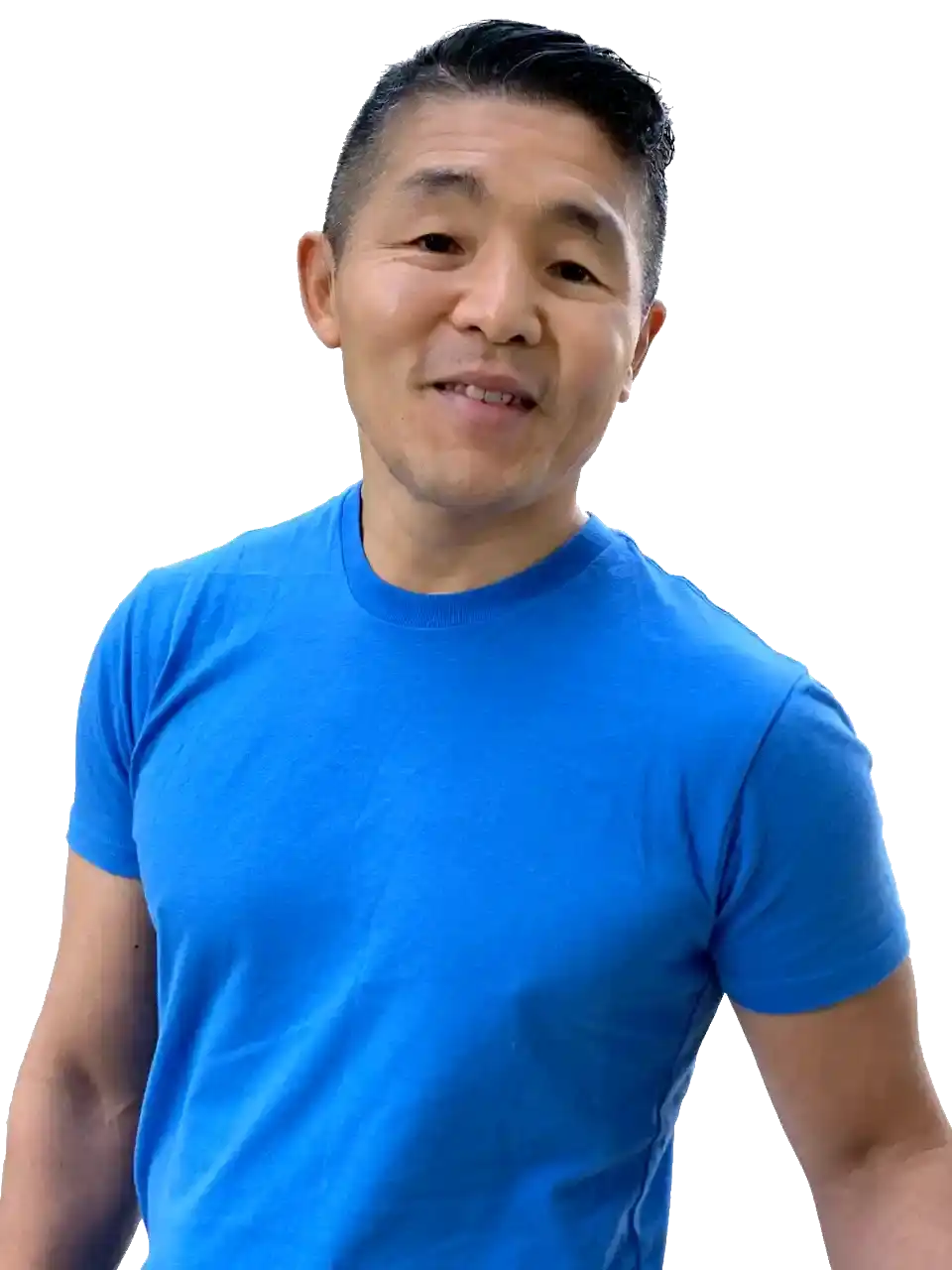
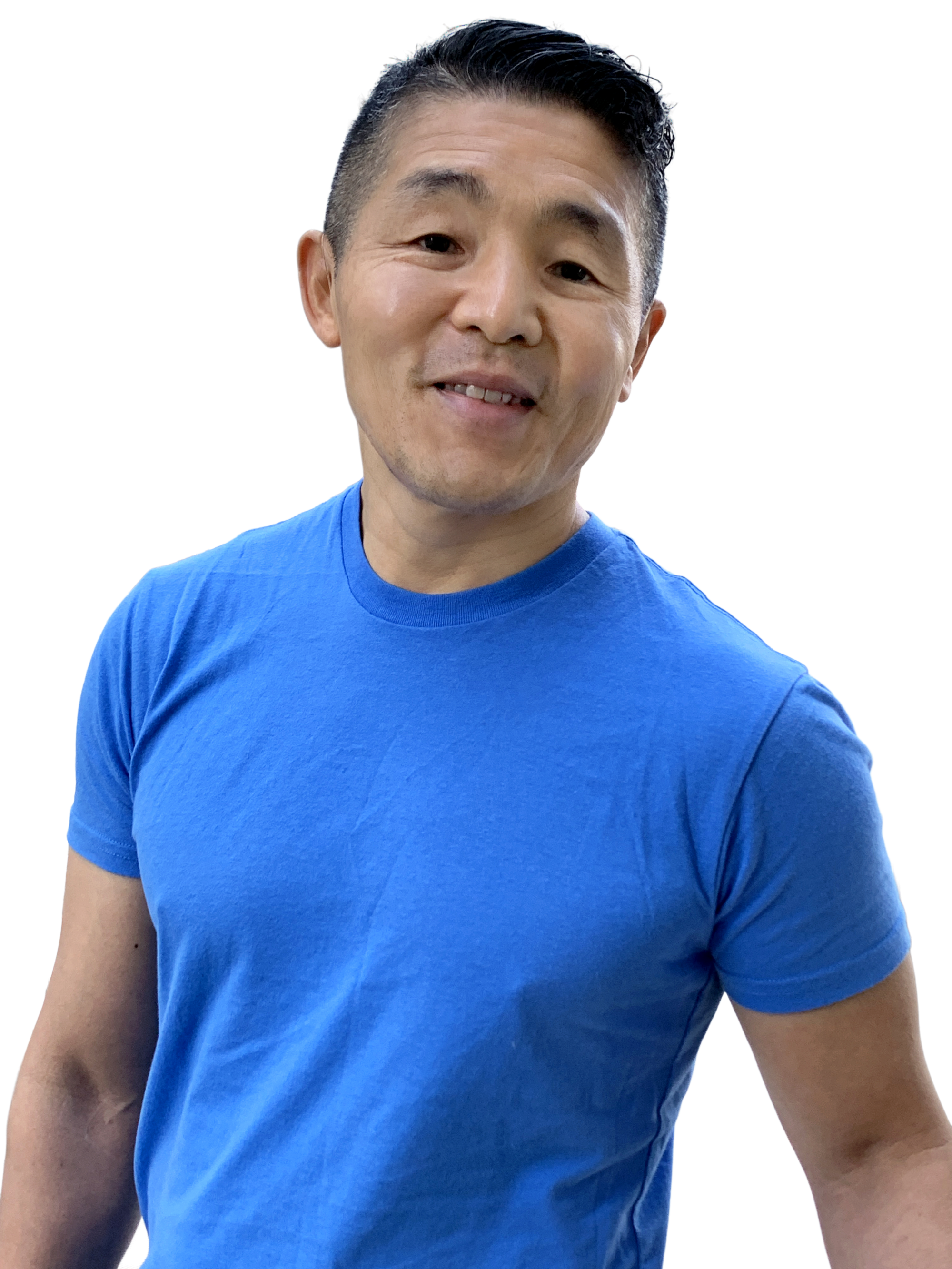
Dr. Ken, has been recognized as the Best Toronto Chiropractor in 2024, 2023, and 2018, here in downtown Toronto. As a sports chiropractor, he excels in treating a wide range of conditions including concussions, temporomandibular joint disorders (TMJ), sports-related injuries, and spinal issues. Beyond his clinical skills, Dr. Ken is an accomplished athlete, having represented Ontario in the Canadian Judo Championships and completed the Toronto Marathon on two occasions. He employs the innovative C3 Program to provide targeted and effective care to his patients, ensuring a holistic approach to their well-being and athletic performance.